Industry Solution
3D Printing for Robotics & Automation Companies
SLS prints support-free grippers and manifolds with complex internal channels; SLM produces lightweight metal brackets ready for strength testing; FDM (including PEEK) covers durable fixtures; CNC takes over production once a design is validated.
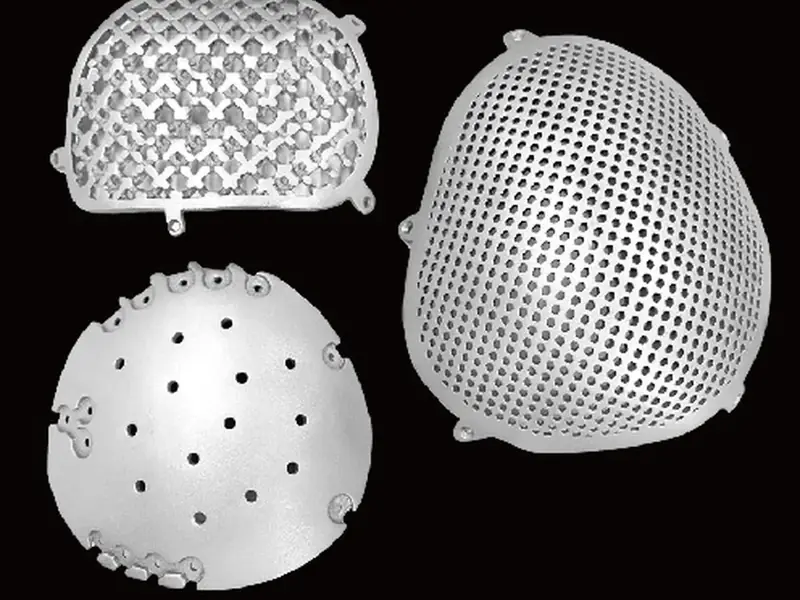
Industry Pain Points
Matched Equipment
Applications
- Rapid-iteration printing of end-effectors and grippers
- Lightweight robot-arm structural components
- Fixtures and jigs for automation lines
- Integrated housings with built-in sensor/cable routing
PA12 nylon functional part
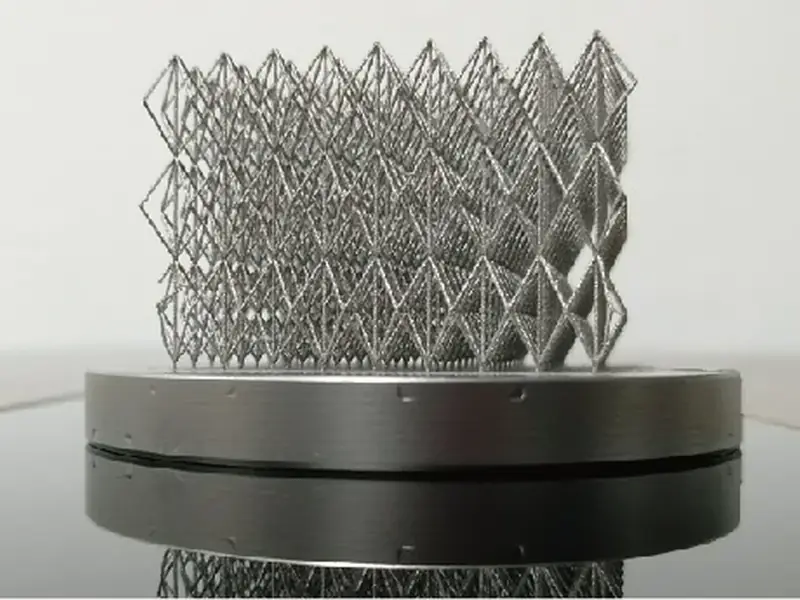
Metal lattice lightweight structure
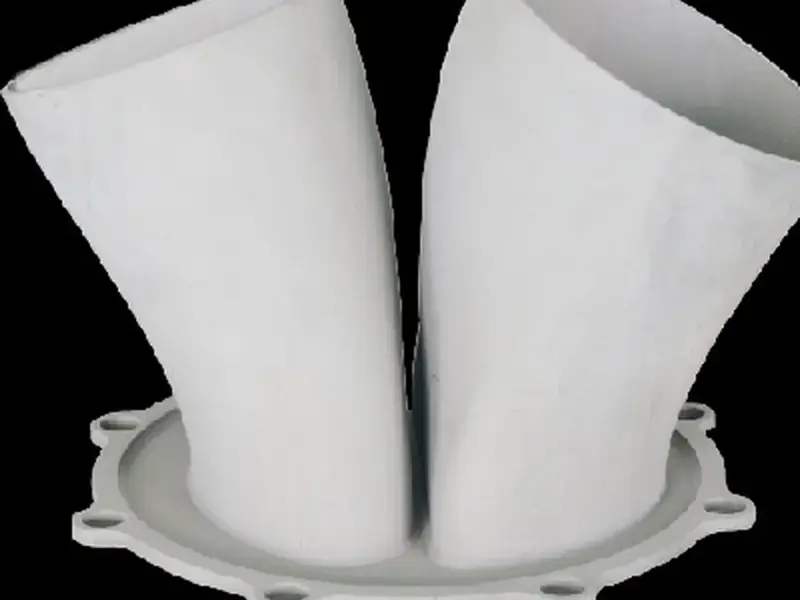
Dual-channel manifold
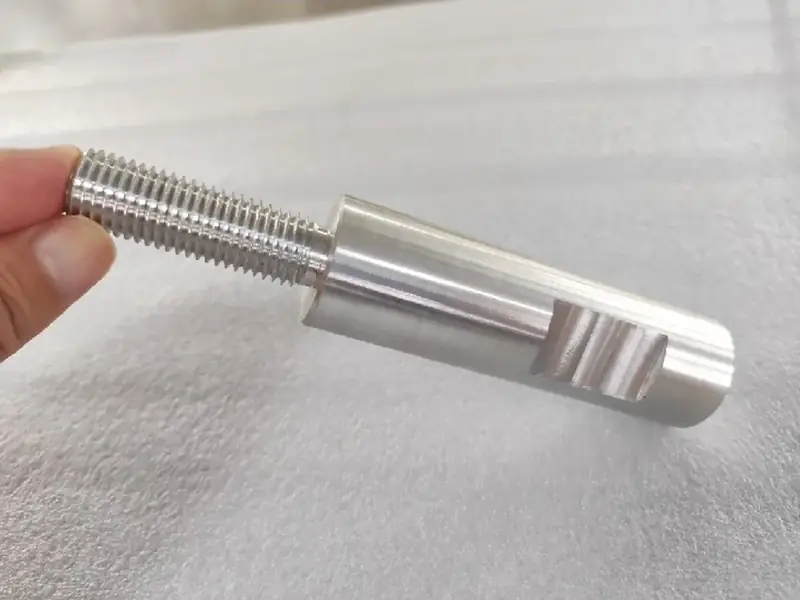
5-axis precision structural part
Frequently Asked Questions
Can SLS parts handle continuous industrial use?
PA12 and carbon-fiber-nylon material offer solid fatigue strength and wear resistance, and are already used in continuously-running grippers, ducting and clip fittings.
How much weight reduction is realistic for metal structural parts?
With lattice or topology-optimized design, 30–50% weight reduction is common — the exact figure depends on load and stiffness requirements.
How fast can you go from CAD to a working gripper prototype?
Standard-size SLS/FDM functional parts can ship as a working prototype within 48 hours.
Do you support small-batch production runs of 10–100 units?
Yes — that batch range is exactly where SLS/SLM has the strongest cost advantage over injection-mold tooling.
Have a Robotics & Automation project to spec?
Send a brief description — we'll reply within one business day with an equipment & process recommendation.