Industry Solution
3D-Printed Wax Patterns for Investment Casting Foundries
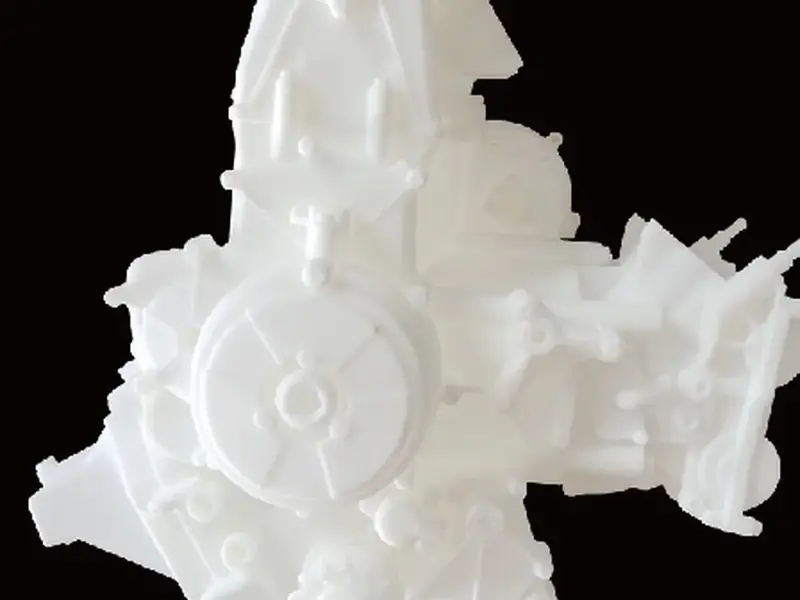
High-precision SLA/DLP resin patterns in low-ash-residue material can go straight into the lost-wax process as a wax substitute; FDM handles large sacrificial-pattern prototypes for early-stage design validation.
Industry Pain Points
Matched Equipment
Applications
- Wax-pattern replacement for complex automotive/aerospace castings
- Jewelry investment-casting patterns
- Patterns for complex-internal-cavity castings — valves, pump bodies
- Small-batch trial casting without cutting steel tooling
Complex mechanical assembly prototype
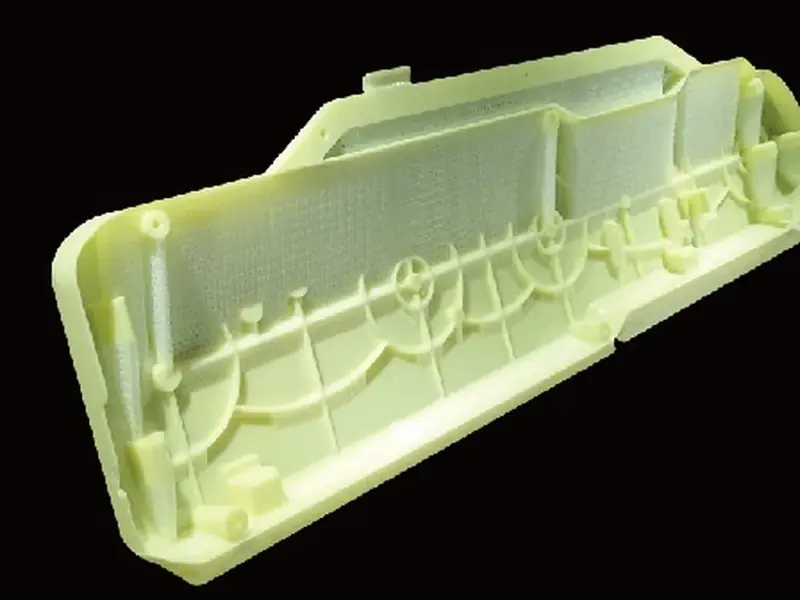
Automotive trim mold sample

DLP high-speed batch patterns
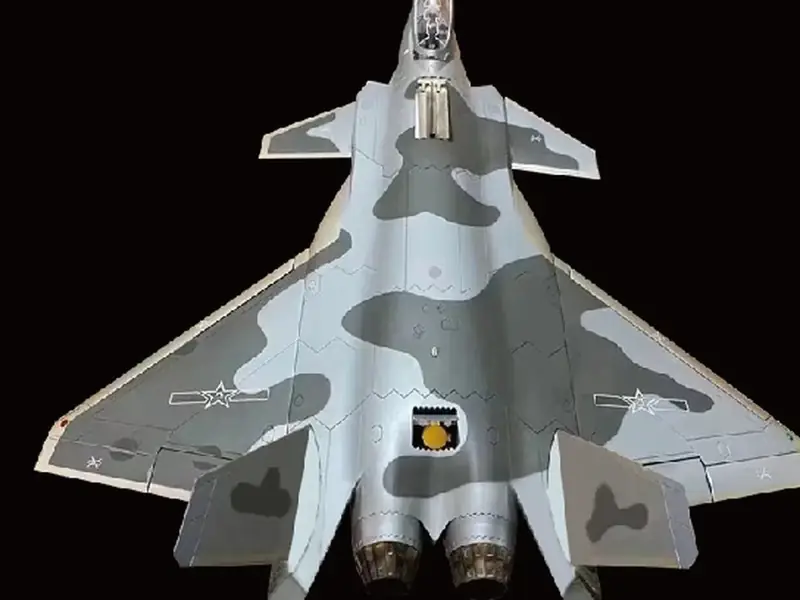
Resin precision-part finishing
Frequently Asked Questions
Can 3D-printed resin patterns really replace traditional wax patterns?
Yes, with low-ash-residue material the pattern can go straight into the lost-wax process — validated in automotive, aerospace and jewelry casting. For high-volume production, conventional wax injection may still win on per-unit cost.
What's the ash/residue level after burnout?
Our low-ash-residue resin leaves significantly less burnout residue than general-purpose print resin — request the material test report via the inquiry form for exact figures.
What dimensional accuracy can casting-grade patterns achieve?
Our SLA/DLP machines hold accuracy to roughly ±0.1mm; final casting accuracy also depends on burnout and pouring process — send a drawing for a first-article evaluation.
What's the fastest turnaround from CAD file to a castable pattern?
Standard-size patterns can ship in 48–72 hours; complex-internal-cavity parts take slightly longer depending on post-processing needs.
Have a Investment Casting Foundries project to spec?
Send a brief description — we'll reply within one business day with an equipment & process recommendation.