Knowledge Base
Setting Up a 3D Printing Lab for a University Engineering Department
2026-08-08
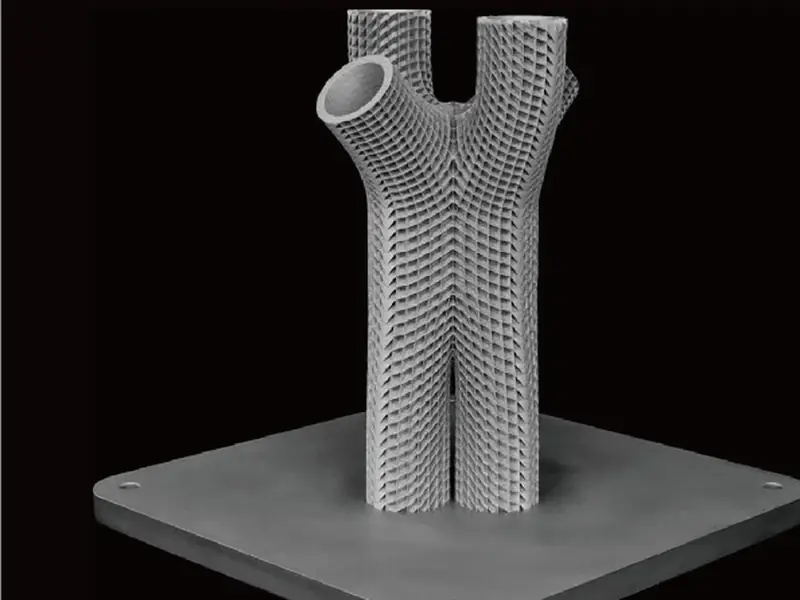
Many engineering departments' first move is "buy one FDM printer to start" — only to discover, once a course or research project actually needs it, that FDM explains fused deposition well but says nothing about resin curing or powder sintering, two equally important branches of additive manufacturing. Graduates entering industry will almost certainly encounter more than one process.
Plan by Process Principle, Not by Budget Leftovers
A lab that genuinely covers teaching needs needs to demonstrate at least three process principles: extrusion (FDM), photopolymerization (SLA/LCD), and powder sintering (SLS). Each has different failure modes and design rules — SLA doesn't need to worry about overhang angles, SLS is inherently support-free — and that "design thinking changes with the process" is exactly what engineering education should teach.
Metal processes (SLM) fit better under a research budget than a foundational-teaching budget — equipment and material costs are higher, making it better suited to bringing in on demand for a specific project (lightweight structures, lattice optimization) rather than as a baseline requirement.
Budget-Tiered Reference
- Starter tier: 1 industrial FDM + 1 LCD/SLA resin machine — covers both structural-part and high-precision-part teaching scenarios
- Advanced teaching / small-scale research: add 1 SLS nylon-sintering machine for support-free complex geometry and engineering-material research
- Research-grade: add metal (SLM) or pellet-extrusion (FGF) equipment per specific project — not recommended as a starting baseline
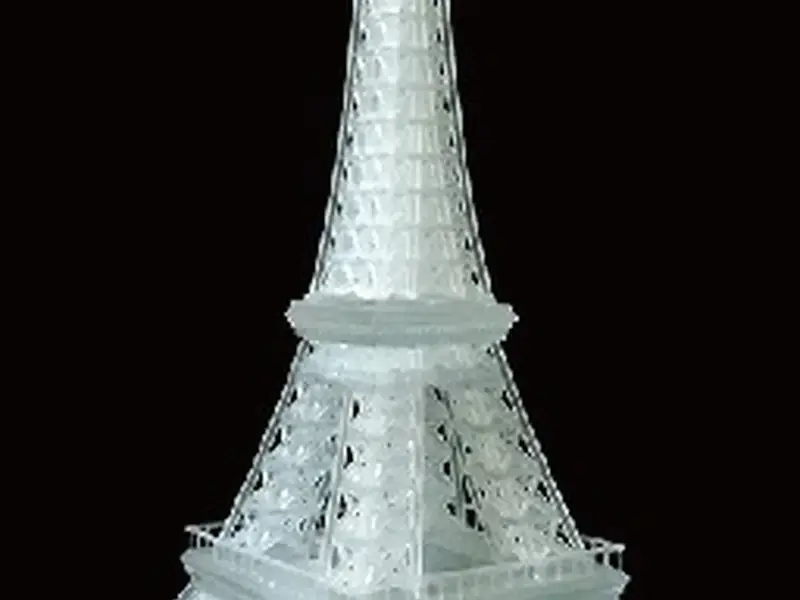
Safety & Facility: The Review You Need to Clear Before Purchase
Resin equipment involves ventilation and skin-contact precautions around photopolymer material; metal-powder equipment involves inert-gas shielding and powder recovery — both typically require a safety review before a university can purchase them. Getting the equipment's safety documentation (ventilation guidance, gas-shielding design, powder-recovery specs) ahead of time can shorten that approval process considerably.
After Delivery: Training Matters More Than the Hardware
The most common waste in a teaching lab isn't buying the wrong equipment — it's buying the right equipment that nobody knows how to use, with no course material to plug it into, so it ends up gathering dust in a corner. Operation training, maintenance training, and a case-study library that plugs directly into coursework should be planned alongside the equipment purchase, not bolted on afterward.
Related Industry Solution